
By RareGizmo.com
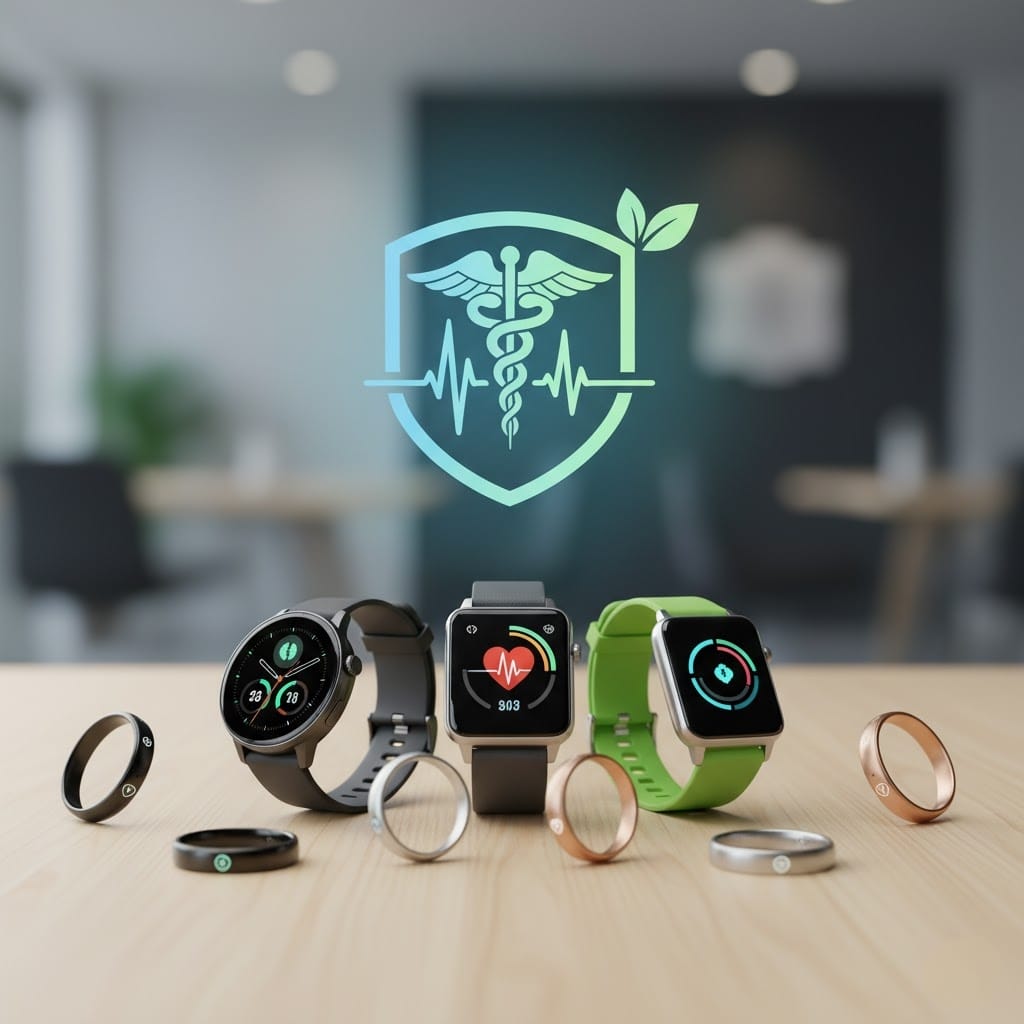
Technology has moved beyond convenience. In 2025, it has become a partner in health, capable of monitoring, warning, and even saving lives. The rise of wearable health technology—from smartwatches to sensor-embedded clothing—has transformed personal care into something proactive and intelligent.
No longer limited to counting steps or tracking sleep, modern wearables now detect early signs of disease, alert emergency contacts, and analyze body metrics in real time. They act as silent guardians, constantly gathering insights that could one day make the difference between danger and safety, between reaction and prevention.
Below, we explore some of the most remarkable wearable innovations that are not only changing healthcare but redefining what it means to live well.
Smartwatches That Detect Heart Problems
The smartwatch has evolved into one of the most important medical tools you can wear. Devices from Apple, Samsung, Garmin, and Fitbit now go beyond fitness tracking—they monitor heart rhythm, detect irregularities, and even issue AFib (atrial fibrillation) alerts that can warn of potential cardiac issues.
Some models feature electrocardiogram (ECG) sensors, allowing users to record heart data at any moment. This information can be shared instantly with healthcare providers, offering early detection of conditions that might otherwise go unnoticed.
In several documented cases, smartwatch notifications have prompted users to seek emergency care—ultimately saving lives.
Blood Oxygen and Respiratory Monitors
Devices equipped with SpO₂ sensors—commonly found in modern wearables—measure blood oxygen saturation. While initially a niche feature for athletes, it has become a vital tool for monitoring respiratory health, especially during the global health challenges of recent years.
Low oxygen levels can signal issues such as sleep apnea, respiratory infections, or even early signs of heart failure. By continuously tracking these metrics, wearables empower users to spot problems before they escalate.
Continuous Glucose Monitoring for Diabetics
Perhaps one of the most transformative advancements in wearable technology is the continuous glucose monitor (CGM). Small sensors worn on the arm or abdomen measure glucose levels in real time, transmitting data to smartphones or smartwatches.
Unlike traditional finger-prick tests, CGMs provide continuous feedback, allowing individuals with diabetes to make informed dietary and insulin decisions throughout the day.
The newest models even use non-invasive optical sensors, meaning they can track glucose through the skin—no needles required.
Smart Rings for Early Health Detection
Smart rings have quickly emerged as discreet yet powerful alternatives to wrist-based wearables. Devices like the Oura Ring, Ultrahuman Ring Air, and others can monitor sleep cycles, body temperature, heart rate variability, and even stress levels.
These rings can detect subtle physiological changes that precede illness, such as slight temperature rises before a fever or hormonal shifts before menstruation. By alerting users early, they help prevent more serious health disruptions.
AI-Powered Wearables That Detect Falls and Emergencies
For older adults and individuals with mobility challenges, AI-enhanced fall detection wearables have proven life-saving. Using motion sensors, gyroscopes, and accelerometers, these devices can detect when a fall occurs and automatically contact emergency services or designated caregivers.
More advanced versions integrate AI learning, distinguishing between normal movement and real accidents to minimize false alarms. This technology provides independence while ensuring that help is always within reach.
Smart Clothing and Biometric Fabrics
The next frontier in wearable health tech lies in the fabric itself. Smart clothing integrates micro-sensors into textiles that measure heart rate, posture, breathing patterns, and muscle activity.
Athletes use them to track performance, but medical professionals are exploring their potential for rehabilitation and chronic illness management. For patients recovering from surgery or monitoring respiratory conditions, these garments provide continuous data without the discomfort of traditional sensors.
Mental Health Monitors
Mental health is as critical as physical well-being, and wearable technology is beginning to reflect that truth. Devices can now detect stress levels, mood fluctuations, and sleep disturbances by analyzing heart rate variability, skin temperature, and breathing patterns.
Some wearables even prompt users to take mindfulness breaks or breathing exercises when stress indicators rise. By turning emotional awareness into measurable data, these devices are transforming how we care for the mind as much as the body.
Smart Hearing Aids with AI Enhancement
Today’s smart hearing aids do more than amplify sound—they use artificial intelligence to filter noise, adjust volume automatically, and even translate languages in real time.
Some models can detect when the user has fallen and trigger alerts, while others integrate with smartphones and smart homes to control music, calls, and media playback. The result is both a medical device and a lifestyle upgrade.
Wearables That Predict Illness Before Symptoms Appear
AI-driven analytics are enabling wearables to recognize patterns that predict illness before it begins. By studying trends in temperature, oxygen levels, and heart rate, these systems can flag deviations that may indicate an impending infection or fatigue.
In corporate wellness programs and hospitals, predictive monitoring has already shown promise in reducing sick days and improving preventive care.
The Rise of Medical-Grade Consumer Devices
Perhaps the most important shift in recent years is the blurring of lines between medical and consumer technology. Many wearables are now FDA-approved or developed in collaboration with medical research institutions, ensuring accuracy and reliability.
What was once the realm of hospitals—continuous monitoring, real-time diagnostics, and intelligent alerting—is now accessible on the wrist, finger, or fabric of everyday life.
Beyond Convenience: A Revolution in Personal Health
Wearable health technology represents more than innovation; it represents empowerment. It gives individuals the ability to understand their bodies, detect problems early, and make informed decisions about their well-being.
As artificial intelligence and sensor technology advance, the next generation of wearables will likely integrate directly with healthcare systems, offering predictive, preventive, and personalized care.
The result is a world where technology doesn’t just entertain—it protects, supports, and saves lives.
For more in-depth features on wearable technology, AI innovation, and digital wellness, visit RareGizmo.com — your trusted source for the future of intelligent living.